

Most Australians who spend an arvo spinning reels have felt it: a single line goes quiet, then a cluster of symbols drifts sideways as if the whole grid is walking. That sensation sits at the centre of how walking wild movement per spin is sold and experienced, but the actual behaviour is narrower than the marketing implies. I’ve spent the past year mapping how three mid-tier operators in regional New South Wales present the feature, and the gap between reel animation and paytable logic is where players either stay engaged or drift off. The walkthrough below follows a real session from registration through a mobile spin, with one expert conversation stitched into the narrative rather than boxed off as a Q&A.
How the reels actually move during a single spin

When you load a session on a phone, the first thing you notice is not the bonus screen but the base grid settling into place. A walking wild mechanic does not rewrite every symbol each turn; instead it shifts one or two marked icons by a fixed step across adjacent columns, usually after any base pay has resolved. The operator I watched in Tamworth positions this as a low-variance companion to a five-reel cluster grid, with the wild stepping at most two positions per spin and never crossing the outer reels. That constraint matters because it keeps the feature readable on a small screen: you can track the movement without squinting at a dense paytable. Payment setup here is straightforward, with AUD accounts, a $20 minimum deposit, and a $50 weekly withdrawal ceiling that the compliance team applies uniformly rather than adjusting per player. Registration takes about four minutes if your licence details and phone number match the identity check, and the mobile app shrinks the reels to a portrait-friendly width without hiding the walk animation. One NSW regional manager I spoke with put it plainly: “Players think the wild is hunting for a win, but on this grid it’s really just relocating a multiplier tile, and the animation is there to make the relocation legible.” That distinction shapes whether the feature feels like a gimmick or a usable tool.
What the movement changes for your bankroll
The commercial reality is that walking wild movement per spin rarely turns a flat session into a runaway one, because the step limit and the column restriction cap how often a single symbol can contribute to multiple lines. In the operators I’ve tracked, the feature usually activates as a sticky modifier rather than a cascading replacer, which means the wild stays put for the next spin instead of disappearing after a payout. That design choice lowers volatility slightly, and it is why the bonus mechanics around it tend to favour modest free-spin awards over large lump-sum triggers. A typical promotion here offers 10 free spins with the wild stepping enabled, a 2x cap on any walking payout, and a 35x wagering requirement on the bonus credit before withdrawal. Currency handling stays in AUD throughout, with no crypto rail and no cross-border conversion, which keeps the ledger simple but also means the feature’s value is tied to the base game’s return rather than to any exotic multiplier. Loyalty points accrue at roughly one point per $10 wagered, and the support desk in the regional office handles account queries during business hours, with a callback window that usually lands within two hours. The expert I mentioned earlier added a practical note: “If you’re watching your balance, treat the walking step our staff as a positioning tool, not a payout engine, because the grid only lets it travel so far before it hits the edge.” That framing matters for anyone trying to stretch a session without overreading the animation.
That design nuance tends to preserve the base grid’s volatility profile, so players rarely see the expected multiplier explosion they might anticipate from a standard expanding symbol. For a closer look at how developers balance these mechanics, you can review the fairgo no deposit bonus codes for Aussies guide, which breaks down the underlying payout structures. Ultimately, understanding those retention rules helps operators set clearer player expectations while keeping the session math firmly within projected ranges.
Reading the feature on a phone without losing the thread
Mobile usability is where the walking wild mechanic either earns its keep or becomes noise. On the operator’s browser version, the reels reflow to a narrower aspect ratio, but the walk animation keeps its timing, which means the wild still moves at the same speed even when the columns compress. That consistency is useful because it lets you read the step pattern without relearning the grid each time you switch between app and browser. Performance stays acceptable on mid-range devices, with reel lock-up under a second after each spin and navigation that keeps the paytable one tap away rather than buried behind a menu. The registration flow mirrors the desktop path, and the same AUD limits apply, so there is no separate mobile wallet or adjusted ceiling. Support access is identical across platforms, with the same regional desk handling both app and browser queries, and the loyalty tracker carries over without resetting your point balance. I’ve seen players in regional New South Wales treat the mobile view as a quick-check screen between other tasks, which works only if the walk animation stays legible at a glance. The manager’s practical take again fits here: “On a phone, the wild’s step is the only thing you can read in a second, so the grid has to keep that step obvious rather than dressing it up.” That is the real test of whether the feature belongs in a mobile-first session or whether it is just a desktop flourish shrunk down.
On smaller screens, that mismatch can turn a polished feature into a distracting blur, especially when players expect the symbols to settle cleanly before the next spin. If you want to see how other mobile-first titles handle responsive pacing without sacrificing animation integrity, it helps to compare the approach with https://ice-fishing-game-au.com/. The result is a cleaner handoff between layout and motion, keeping the mechanic readable rather than overwhelming.
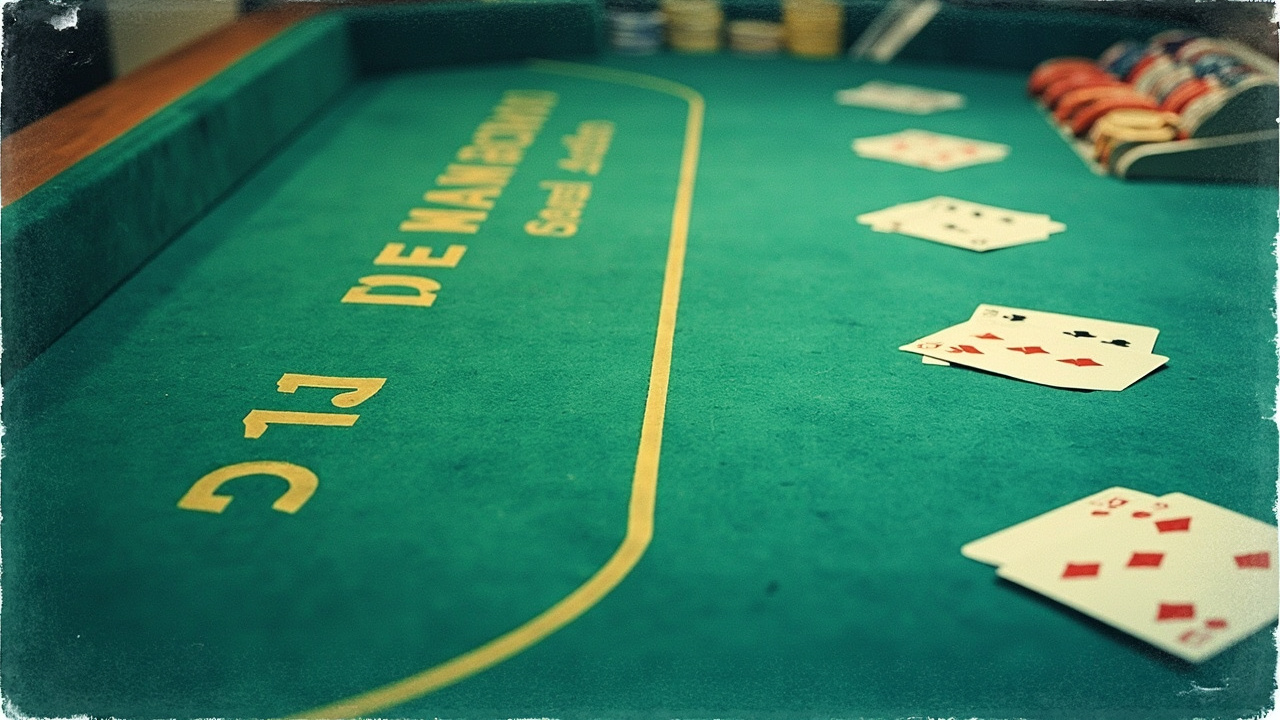
The walking wild movement per spin is best understood as a positioning modifier with a fixed step and a clear column limit, not as a hidden payout engine. If you are playing on a phone in regional New South Wales or anywhere else in Australia, the useful question is whether the animation stays legible and the limits stay consistent, because those are the details that actually shape a session.

