

If you’ve spent an arvo watching the Gold Coast swell with holiday crowds, you know the feeling of a place that looks easy to enjoy until the queues move and the choices narrow. Online lobbies work the same way. The trick isn’t walking in blind; it’s learning how to build healthy gambling habits before the first spin, so the room serves you instead of the other way around. A well-organised lobby can make sense of a crowded floor, but even a tidy shelf of games still runs on edges that don’t care about your mood.
Lobby layout and the game mix you actually see
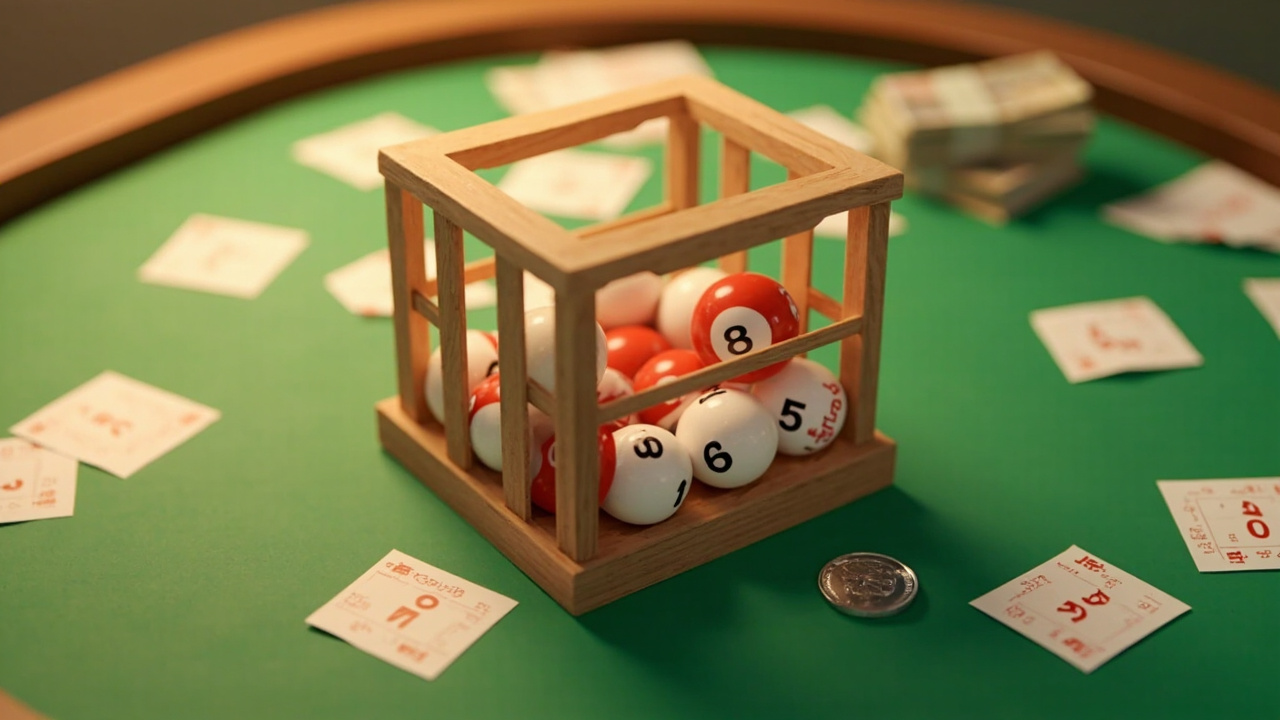
A lobby that sorts its stock sensibly is a quiet advantage, because discovery should feel like reading a proper menu, not hunting through a pile of unlabelled tins. Slots usually take the front row, table games sit in a calmer corner, and live dealers occupy their own stream with separate stakes and pace. When providers are grouped by style rather than stacked by some hidden payout promise, you can compare volatility and theme without getting dragged into a blur of similar-looking reels. The search function matters here too – typing a provider or a game mechanic should surface a short, relevant list, not a wall of everything in the catalogue. That clarity helps, but it’s a convenience, not a safeguard; a polished lobby still puts the same zero on the wheel and the same house edge on the felt. If you’re weighing what to play, treat the layout as a map, not a recommendation engine, and remember that even-money roulette bets still lose to the zero over time.
| What you’re scanning | What it tells you | What it doesn’t tell you |
|---|---|---|
| Provider grouping | Style, mechanics, and volatility clusters | Which game is “due” to pay |
| Stakes filter | Min/max tables and slot ranges | Your expected loss over a session |
| Live versus RNG tabs | Pace, dealer presence, and chat feel | A different underlying edge |
That table sits beside the practical bit: before you deposit, open the lobby on a quiet evening and note how long it takes to find a game you recognise, because that friction is a useful signal about whether the room respects your time or just wants you clicking. A Gold Coast punter I know treats it like checking a tackle box before a morning launch – if the gear is sorted, you spend the day fishing instead of rummaging.
Where the edges live and the limits that matter
The mix can look generous, and in one sense it is, because a broad catalogue means you can match a game to a pace you can afford rather than forcing yourself into something too fast or too slow. The trade-off is that variety can quietly normalise longer sessions, especially when live tables and slots sit side by side with similar buttons and similar sounds. That’s where dark patterns in gambling apps nudge users toward more spending, usually through default stakes, one-tap repeats, or timed prompts that make stopping feel like leaving a party early. Bill Collins, the accurate one, would have called a race by mines-game-au.com the shape of the field rather than the colour of the silks, and the same scepticism applies here: judge a game by its stated rules and pace, not by how lively the lobby makes it feel. If you want a real-world feel for how this lands, picture an ordinary Australian reader settling in after work with a ten-dollar spin in mind and a hard stop at an hour; the lobby should let that plan hold, not gently nudge the stake up when the first round ends. A sensible room makes limits visible before you play, not buried after you’ve already clicked.
Registration, payments, and the mobile reality
Signing up should feel like a straightforward licence application – clear fields, a sensible identity check, and no pressure to hurry through steps that exist for a reason. Currency and payment options need to match the way you actually move money, because a wallet that only works in a currency you don’t use or a method you don’t trust turns a simple session into a scramble. Mobile play is where most of this gets tested, since a lobby that looks tidy on a desktop can turn clumsy on a phone if buttons crowd the edges or the stake selector hides behind a tap. Support should be reachable without a scavenger hunt, and loyalty should reward steadiness rather than chasing, because points that only matter when you spend more are just another nudge in disguise. None of this changes the maths, but it does change whether you can stick to the plan you brought in. For a closer look at how a lobby’s tone and presentation can shape that first impression, you can visit https://big-bass-floats-my-boat.com/ and read how the room frames its own games before you ever put money in.
The advisers, the patterns, and the habits that hold
The people who study this stuff don’t pretend a better lobby removes risk; they talk about making the room legible so your own limits actually work. Isla Wilson, Board Member, Blue Mountains Interactive, has argued that discovery tools should surface pace and stake ranges first, because players make better calls when the feel of a game is obvious before the first click. Lucas Williams, Responsible Gambling Adviser, Southern Cross Gaming Advisory, warns that defaults are doing a lot of the real work, and that a room designed around quick repeats will quietly outpace a player who only meant to stay a short while. Benjamin Taylor, Head of Product, Ironbark Compliance Advisory, makes the sharper point that compliance is not the same as comfort, and a polished interface can still be a hard environment if it keeps the next button too close to the thumb. The habit that holds is the one you set before the lobby gets noisy: a time boundary, a stake boundary, and a rule that a losing session is a signal to stop, not a reason to chase the feel of the room.
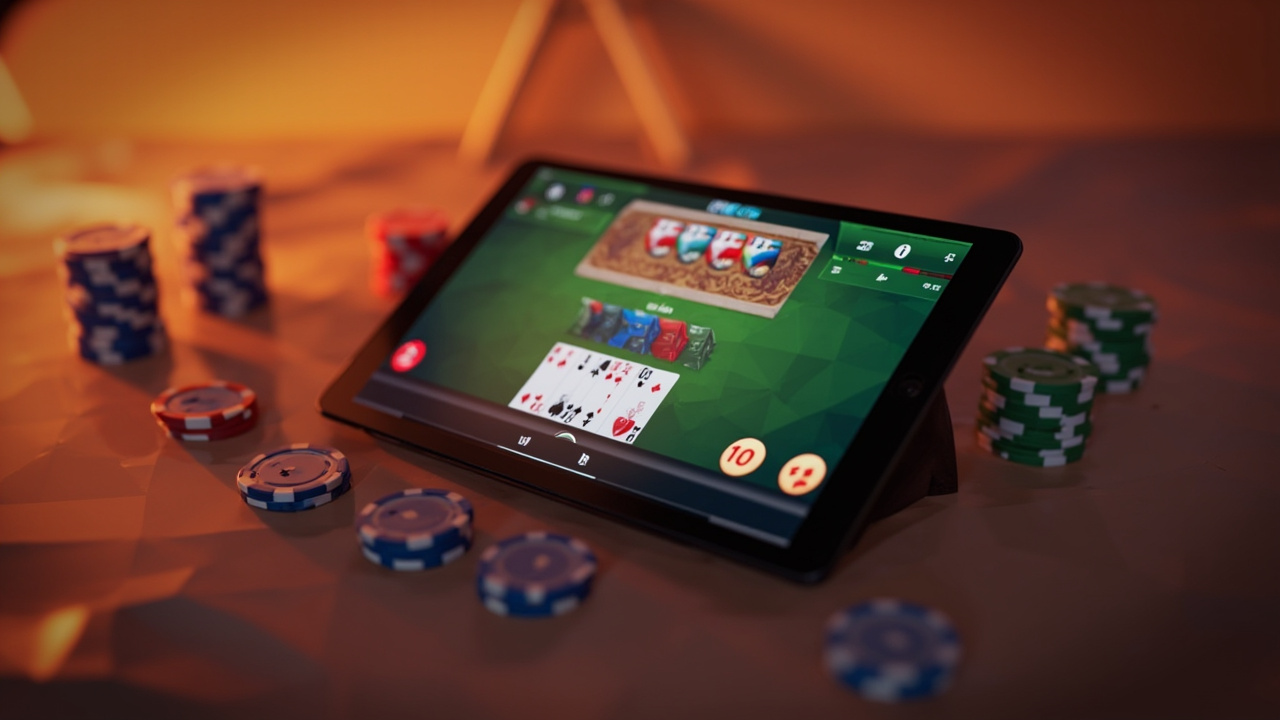
A good lobby earns its keep by making the catalogue readable and the limits visible, but it still can’t rewrite the edge that sits under every game. Treat the lobby like a well-run pub on the Gold Coast after a long week – welcoming, busy, and still a place where you decide when you’ve had enough. If you can walk in with a plan, read the room honestly, and leave when the plan says so, you’ve done the hard part. The rest is just knowing that the floor was never going to save you from yourself.